



Red Light Therapy for Dogs and Cats
SINOCO manufactures red light therapy devices for dogs and cats, supplied to pet wellness brands and veterinary distributors. These are not scaled-down human products — the sizing, strapping and output are worked out around animals that are small, mobile, furred and entirely uninterested in sitting still.
What is in the pet range
- Joint wraps — red and infrared wraps sized for canine and feline joints.
- Therapy pads — flexible pads such as the PC-S-3W platform, for larger-area coverage on dogs.
- Leg wraps — shaped for cat and small-dog legs, where a general-purpose wrap will not stay in place.
- PDT therapy cloths — garment-style devices with customisable wavelength for dogs and cats.
- Handheld wands — 660nm red and 850nm infrared wands for spot treatment, the most common format in veterinary practice because the operator controls placement and duration directly.
The fur problem
Coat is the single biggest engineering constraint in pet devices. Light has to reach skin through fur that ranges from a short-haired cat to a double-coated dog, and the same device will deliver very different doses across those two animals.
This is why pet devices weight toward 850nm near-infrared rather than 660nm red — the longer wavelength penetrates further and is less affected by coat. It is also why contact wraps are more reliable than devices used at a distance: pressing the array against the animal parts the coat and shortens the path to skin.
Brands sometimes ask for the same irradiance figure their human products quote. It is worth being clear that the number at the device surface and the dose reaching skin through a winter coat are not the same thing, and a specification that ignores coat will not perform as the marketing claims.
Sizing, strapping and tolerance
An animal that dislikes a device will remove it. Practical design matters more here than in any other range:
- Straps have to hold without restricting movement or breathing
- Materials need to tolerate chewing, scratching and licking around the edges
- Devices must run quiet — fan noise that a person ignores will drive an animal off
- Surface temperature has to stay comfortable through a full session on an animal that cannot say otherwise
- Sessions run shorter than human equivalents, so timers are usually preset lower
Cats and dogs also need different geometry. A wrap sized for a labrador's hip does not transfer to a cat's leg by scaling it down — the shape and closure change.
Veterinary practice versus home use
The two channels want different products. Veterinary practices generally prefer handheld wands and pads: the operator controls placement, session length and which area is treated, and one device serves many patients. Home users want wraps and garments that fasten on and run to a preset, because they are treating one animal repeatedly with no clinical training.
Deciding the channel early determines controller complexity, documentation and price point. Most brands we work with eventually carry both, but they do not launch with both.
What can be customised
- Wavelength ratio — pet work usually weights toward 850nm
- LED count, array density and treatment area
- Wrap and garment geometry for species and size range
- Strap, buckle and closure system
- Battery capacity and runtime
- Timer presets and dimming steps
- Fabric, outer shell durability and cleanability
- Branding, retail packaging and manuals
Certification
The factory holds ISO 9001, ISO 13485, ISO 14001 and ISO 45001. Veterinary device requirements vary by market and are separate from human medical device rules, so tell us the destination market at the specification stage.
Common questions
Can one device serve both dogs and cats?
The wands can. Wraps generally cannot — the size and shape difference is too large for one product to fit both well, which is why the range separates them.
What MOQ applies?
Packaging-only private label on an existing wrap or pad platform starts low. New geometry that needs tooling carries a higher minimum.
Do you supply horse products as well?
Yes — see the equine range. Combination sets covering horses and pets together are available for distributors carrying both.
Can you build to our existing specification?
Send drawings or a sample and we will come back on feasibility, tooling requirement and cost before anything is committed.
To discuss a pet device project, send your specification, market and volume through the contact page. See also the full product overview.
-

Cats Leg Light Therapy Wrap for Skin Treatment & Recovery
-
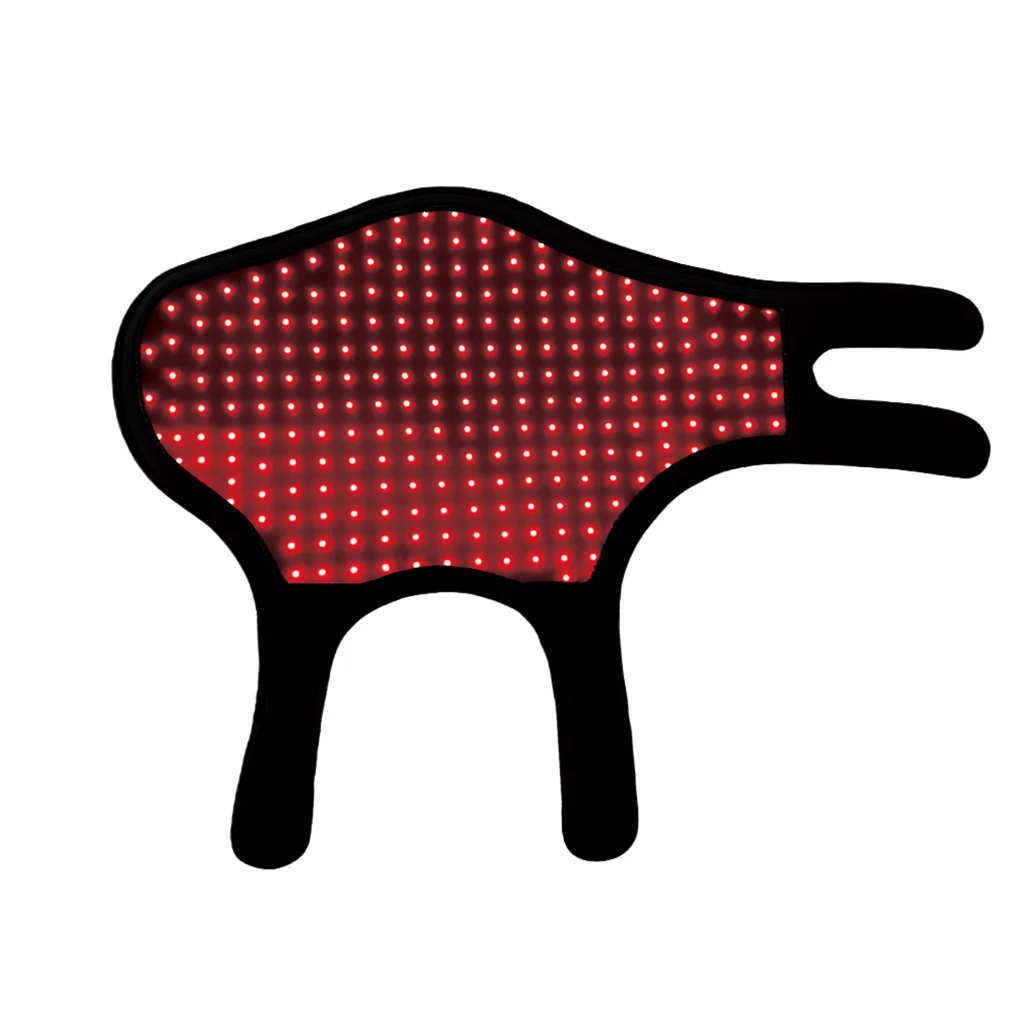
Dog light therapy pad red and infrared light for dog healthcare
-
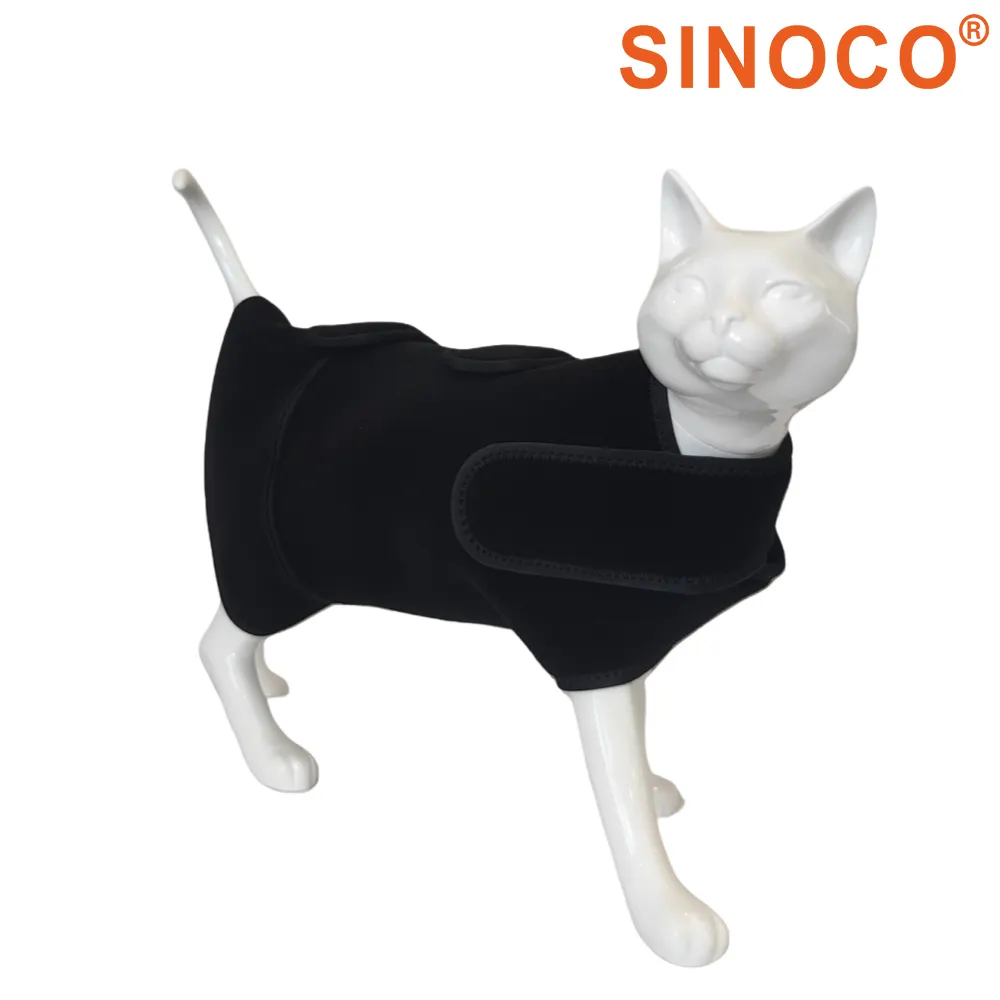
Dog Therapy by PDT Photo Therapy Light Dog Cloth Cat Light Therapy for Leg Pain Relief Wound Healing by Red Light and Infrared Light Cusomziable wavelength
-

Red light therapy for pets joint wrap
-

Red Light Therapy Wrap for Cats Wound Healing & Pain Relief
-
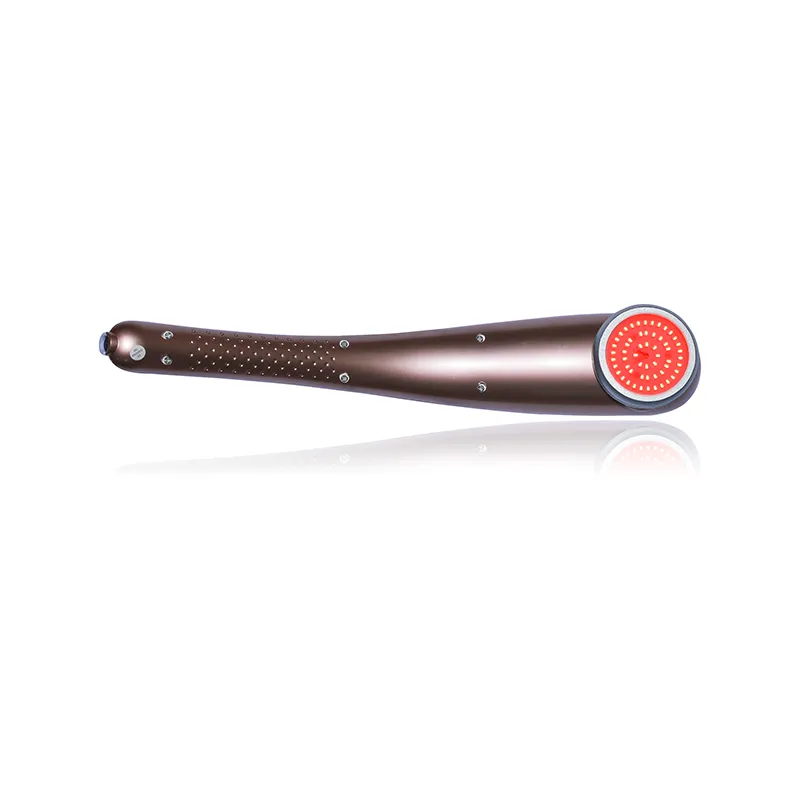
SINOCO 850nm Infrared & 660nm Red Light Therapy Wand