


This article is about session timing around exercise. To see the belts, wraps and mats we manufacture for recovery, visit the wellness light therapy range.
• How Red Light Therapy for Muscle Works has become a popular topic in fitness and wellness industries
• Many athletes and wellness users include red light therapy devices in recovery-focused routines
• Red light therapy systems are commonly used in gyms, wellness centers, and home recovery environments
How Red Light Therapy for Muscle Works
Modern fitness and wellness trends increasingly focus on recovery, relaxation, and performance-support technology. As a result, more people are searching for information about How Red Light Therapy for Muscle Works and why these devices have become popular among athletes, fitness enthusiasts, and wellness-focused consumers.
From professional recovery centers to home wellness routines, red light therapy devices are now widely associated with modern muscle recovery technology. The growing interest in wellness-focused fitness equipment has helped red light therapy become one of the fastest-growing segments in the recovery technology market.
Understanding How Red Light Therapy for Muscle Works helps explain why these systems are becoming common in fitness centers, wellness studios, and sports recovery environments worldwide.
What Is Red Light Therapy
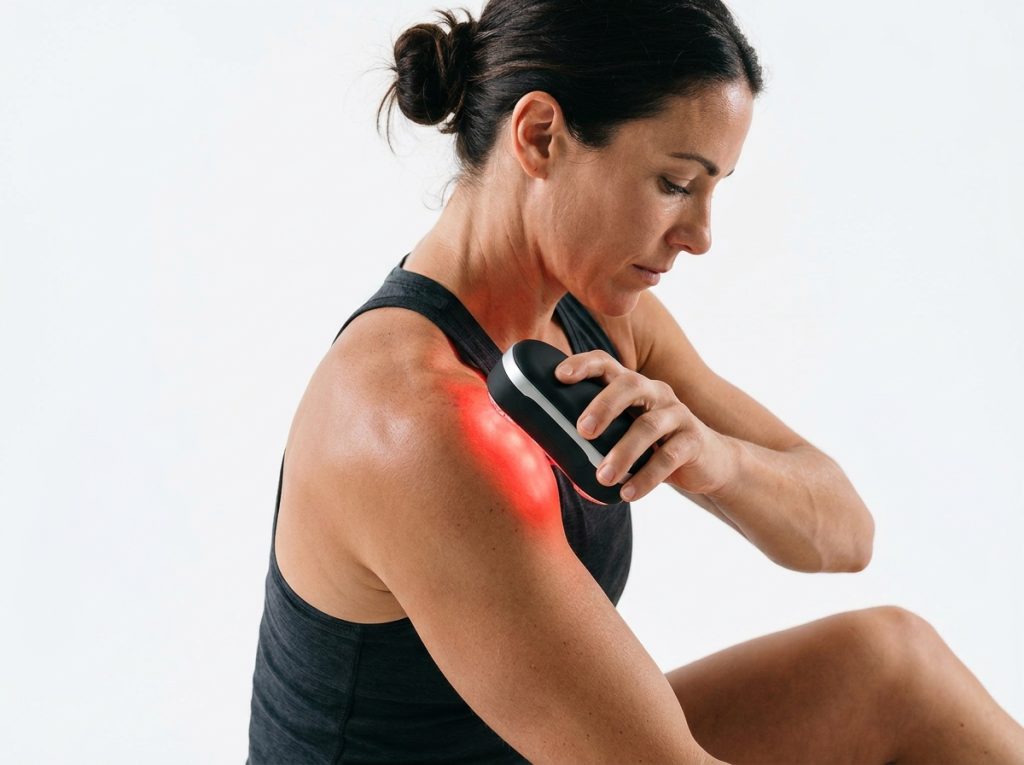
Before discussing How Red Light Therapy for Muscle Works, it is important to understand what red light therapy devices are.
Red light therapy systems use controlled red and near-infrared light technology in wellness-focused devices. These systems are commonly used in fitness, beauty, wellness, and recovery-related environments.
Modern therapy devices come in several forms, including.
- full-body therapy panels
- portable handheld systems
- wearable wellness devices
- recovery-focused LED systems
The increasing popularity of fitness recovery technology has helped make these products more accessible to both professional athletes and everyday users.
Why Muscle Recovery Technology Is Growing
One major reason people research How Red Light Therapy for Muscle Works is because recovery has become an important part of modern fitness culture.
Athletes, gym users, and wellness-focused consumers now pay more attention to:
- recovery routines
- wellness-focused fitness habits
- muscle relaxation environments
- technology-driven recovery systems
As fitness lifestyles continue evolving, recovery technology has become a major part of overall wellness culture.
This growing interest has helped increase awareness of red light therapy systems designed for muscle-focused wellness environments.
How Red Light Therapy for Muscle Works in Wellness Environments
Many wellness and fitness centers now include red light therapy technology in recovery-focused environments.
When exploring How Red Light Therapy for Muscle Works, it becomes clear that these systems are commonly associated with modern wellness and relaxation routines. Recovery rooms, wellness studios, and fitness centers increasingly integrate red light therapy panels into their facilities.
The combination of fitness and wellness technology has made these devices especially popular among people interested in advanced recovery-focused environments.
As wellness trends continue expanding, red light therapy devices are becoming more visible in modern fitness culture.
Home Use of Red Light Therapy Devices
Another important part of understanding How Red Light Therapy for Muscle Works involves home wellness routines.
Many consumers now purchase portable therapy systems designed for personal recovery environments at home. Compact devices, handheld systems, and full-body therapy panels have become increasingly common among fitness-focused consumers.
Home-use wellness technology allows people to integrate recovery-focused products into daily routines more conveniently.
This growing demand for home recovery devices has helped expand the global wellness technology market significantly.
Why Athletes Use Red Light Therapy Devices
Athletes and fitness enthusiasts are among the most common users researching How Red Light Therapy for Muscle Works.
Modern sports recovery culture increasingly includes:
- wellness-focused recovery spaces
- advanced fitness technology
- recovery-oriented routines
- modern therapy equipment
Because athletes often prioritize recovery and wellness support, many fitness environments now include red light therapy systems as part of broader wellness-focused facilities.
Social media fitness trends and sports recovery content have also contributed to increased awareness of red light therapy technology.
Different Types of Red Light Therapy Devices for Muscle Wellness
Many different device categories are connected with discussions about How Red Light Therapy for Muscle Works.
Full-Body Therapy Panels
Large LED therapy panels are commonly used in fitness studios, wellness centers, and recovery rooms.
Handheld Therapy Devices
Portable handheld devices are popular because they are compact and flexible for home use.
Wearable Recovery Systems
Some wellness brands now develop wearable therapy systems designed for modern recovery-focused lifestyles.
The growing diversity of recovery technology products reflects the rapid expansion of the wellness technology industry.
How Fitness Centers Use Recovery Technology
Modern gyms and wellness facilities increasingly focus on recovery-focused environments in addition to traditional exercise equipment.
One reason How Red Light Therapy for Muscle Works continues gaining attention is because many fitness businesses now promote recovery technology as part of broader wellness experiences.
Recovery-focused wellness spaces often include:
- LED therapy systems
- massage equipment
- relaxation zones
- wellness-focused lighting environments
The integration of technology into fitness culture has made recovery systems an important part of modern wellness businesses.
Why Wellness Brands Invest in Muscle Recovery Devices
As fitness recovery trends continue growing, many businesses are investing heavily in wellness technology products.
Manufacturers now produce:
- portable therapy panels
- LED recovery systems
- wellness-focused handheld devices
- fitness recovery technology products
The increasing popularity of recovery-focused lifestyles has made muscle wellness technology one of the fastest-growing areas in the wellness industry.
Because of this growth, discussions about How Red Light Therapy for Muscle Works continue expanding across fitness and wellness markets.
The Growing Future of Recovery Technology
The global wellness and recovery industry is expected to continue expanding in the coming years.
Consumers increasingly invest in:
- wellness-focused fitness routines
- recovery technology
- advanced fitness environments
- home wellness systems
As a result, understanding How Red Light Therapy for Muscle Works is becoming more important for both consumers and businesses operating in wellness-related industries.
The combination of technology, fitness, and wellness culture is expected to drive continued growth in the recovery technology market.
Frequently Asked Questions
What is red light therapy for muscle wellness?
It is a wellness-focused technology system commonly associated with recovery and fitness environments.
Why are athletes interested in red light therapy?
Many athletes are interested in modern recovery-focused wellness technologies.
How Red Light Therapy for Muscle Works in fitness environments?
It is commonly integrated into wellness-focused recovery spaces and modern fitness facilities.
Are red light therapy devices available for home use?
Yes, many portable wellness devices are designed for personal recovery routines at home.
Why is muscle recovery technology becoming popular?
Because fitness and wellness culture increasingly focuses on recovery-focused lifestyles and advanced wellness technology.
Conclusion
Understanding How Red Light Therapy for Muscle Works helps explain why recovery technology has become such an important trend in modern fitness and wellness culture. From gyms and recovery centers to home wellness routines, red light therapy devices continue gaining popularity among athletes and wellness-focused consumers worldwide.
As the wellness technology industry continues evolving, muscle-focused recovery systems are expected to remain a major part of the global fitness and wellness market.
Red Light Therapy Before or After a Workout
The timing question comes up constantly, and the honest answer is that it depends on what you want the session to do. The two options are not interchangeable, and the research base is thinner than most marketing suggests, so treat the following as how the modality is generally used rather than as settled science.
Before a workout
Used before training, red light therapy is typically applied to the muscle groups about to be worked, 10 to 20 minutes ahead. The reasoning is the same as any warm-up: increase local circulation before load. People who use it this way tend to be working around a specific stiff joint or a muscle that historically gives them trouble, rather than treating the whole body.
The practical downside is time. A pre-workout session adds 10 to 20 minutes before you have done anything, which is why most people who train regularly do not sustain it.
After a workout
Post-workout is the more common pattern by a wide margin. The session is applied to the muscles that were trained, usually within an hour or two of finishing, and is positioned around recovery and next-day soreness rather than performance.
This timing also fits real routines better. A belt or wrap can be worn while doing something else, which is the main reason wearable devices outsell panels for this use — the session costs no extra time.
Which to choose
- Training for performance on the day — before, on the specific area you are concerned about.
- Managing soreness and recovery between sessions — after, which is what most people actually want.
- Working around a chronic niggle — consistency matters more than timing. A daily session at whatever time you will actually keep doing it beats a perfectly timed one you abandon in a fortnight.
One thing worth saying plainly: the evidence for red light therapy improving athletic performance when used before exercise is limited, and considerably weaker than the marketing around it. If you are choosing between before and after and have no strong preference, after is the better default.