


Red Light Therapy Products
SINOCO is a Shenzhen-based manufacturer of red light and LED light therapy devices, supplying brands, distributors, clinics and veterinary suppliers in 88 countries. We have been designing and building phototherapy products since 2005 from a 10,000 m² facility, and almost everything we make leaves the factory under a customer's brand rather than our own. The catalogue below is the starting point for that work — most projects begin with an existing platform and change the panel layout, wavelength mix, housing, controller or packaging from there.
Four product ranges
The range is organised by who the end user is, because that is what drives the engineering. A device worn by a horse and a device worn on a face share the same LEDs and almost nothing else.
- Beauty light therapy — LED facial masks, silicone multi-colour masks, skin rejuvenation panels and clinic-grade PDT machines such as the TC-PDT-240W. Sold to skincare brands, aesthetic device brands and salon suppliers.
- Wellness light therapy — belts, knee and elbow wraps, full-body mats, blankets, photobiomodulation shorts and hair growth caps. The broadest range, and the one most often private-labelled for consumer recovery brands.
- Horse light therapy — full-body equine blankets, neck and back pads, hoof and knee targeting instruments, barn solariums and handheld wands. Built for stable conditions rather than living rooms.
- Dog and cat light therapy — joint wraps, therapy pads, leg wraps and handheld wands sized for small animals, supplied to pet wellness brands and veterinary distributors.
Wavelengths and why they are chosen
Most of what we build runs on two wavelengths. 660nm red is absorbed close to the surface, which is why it dominates facial and skin products. 850nm near-infrared penetrates further and is the usual choice for joint, muscle and deep tissue devices — and the reason most wellness and veterinary products combine both in a single array.
Beyond those two, the beauty range also uses blue, green and amber in multi-colour masks, and our PDT platforms run several wavelengths from one head. If your product needs a combination that is not in the catalogue, that is a routine customisation rather than a special project — LED selection is one of the first things we change.
What can be specified
The parts of a device buyers most often want changed:
- LED count, wavelength mix and array layout
- Output power and the irradiance target at treatment distance
- Housing material, colour and finish — silicone, fabric, moulded ABS
- Controller type: physical buttons, LCD touch screen, app control, or timer only
- Power: mains, rechargeable lithium battery, or both
- Strap, wrap and mounting design for the body area being treated
- Retail packaging, manual, and the regulatory markings for your market
Irradiance is the specification worth settling early. It determines LED count and thermal design, so changing it late usually means re-tooling rather than a parts swap.
How an OEM or ODM project runs
A typical project moves through drawing and design, material sourcing, incoming inspection, assembly with automated optical inspection, outgoing QC, packing, then shipping. For OEM work you bring the design and we build to it. For ODM work you bring the market requirement and we take it from specification through to a finished, packaged product.
Our R&D team holds more than 30 national patents. That matters mainly because platform changes are done in-house rather than subcontracted — the engineers who designed the base product build your variant of it.
Certification and quality control
The factory is certified to ISO 9001 for quality management, ISO 13485 for medical devices, ISO 14001 for environmental management and ISO 45001 for occupational health and safety. ISO 13485 is the one most buyers ask about, because it is the quality system regulators expect behind a medical-classified device.
Every unit is inspected before shipping. Where your market needs particular marks or test reports, raise it at the specification stage — the certification route affects component choice, so designing for it costs less than adding it afterwards.
Common questions
What is the minimum order quantity?
It depends on how much of the product changes. Packaging-only private label runs start low; a new housing that needs tooling carries a higher minimum because the tooling has to be amortised. Send the specification and we will quote an MOQ against it rather than a blanket figure.
Can you produce samples before a production run?
Yes. Sampling is a normal stage for anything beyond a packaging change, and we expect at least one round of revision before a customer signs off for production.
Do you supply devices for both human and animal use?
Yes, and they are engineered separately. Animal products have to survive stable and kennel conditions, fasten over coats and fur, and tolerate movement a consumer device never sees.
Can you build to a specification we already have?
That is the usual starting point for OEM work. Send drawings or an existing sample and we will come back on feasibility, tooling requirement and cost before anything is committed.
For a quotation, send your target specification, market and volume through the contact page or the inquiry form.
-
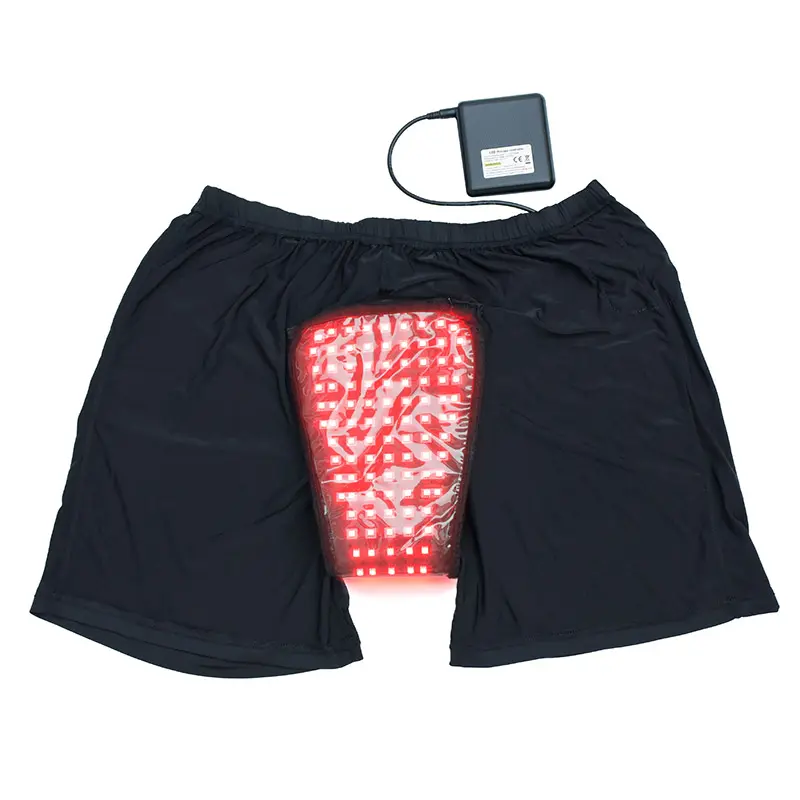
Body Photobiomodulation Shorts LED red light 660nm & infrared light 850nm PDT Light Therapy Medical Device for for Male Infertility and sex drive
-

Cats Leg Light Therapy Wrap for Skin Treatment & Recovery
-
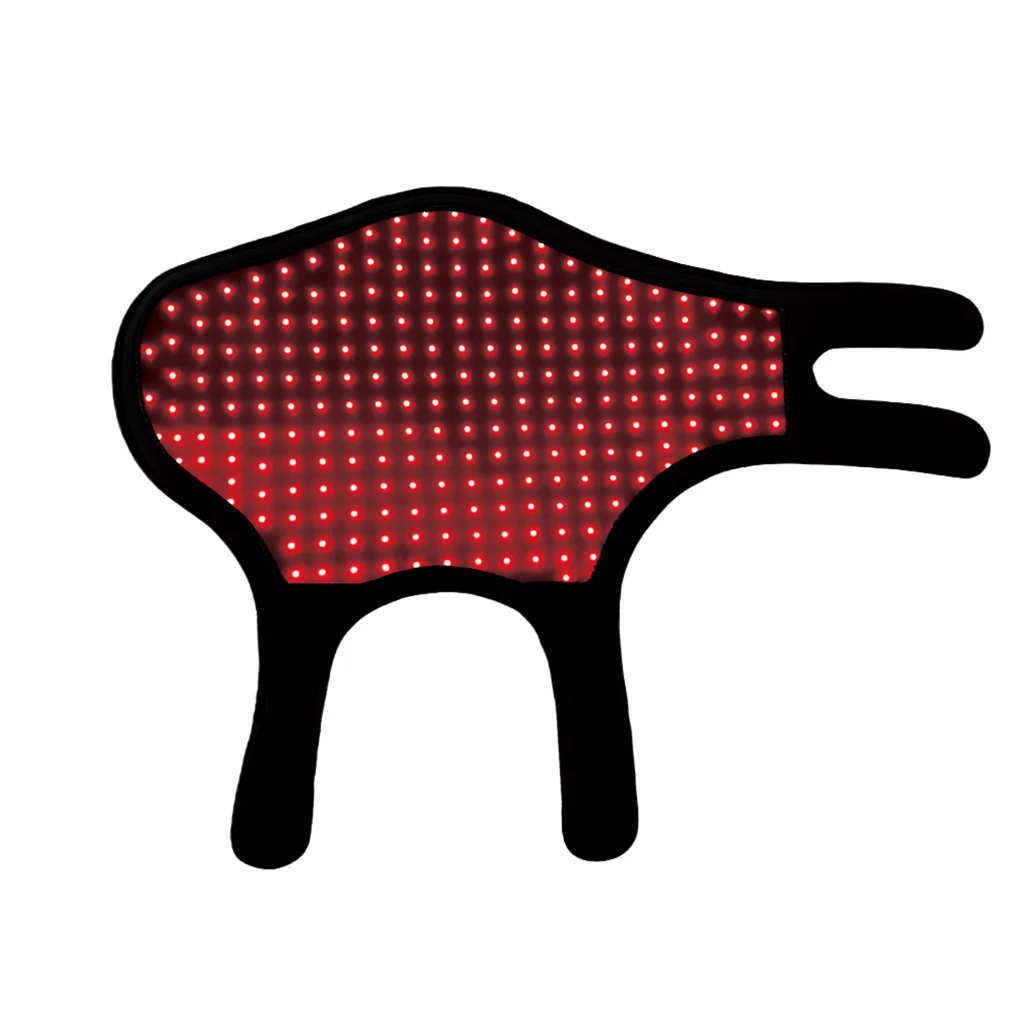
Dog light therapy pad red and infrared light for dog healthcare
-
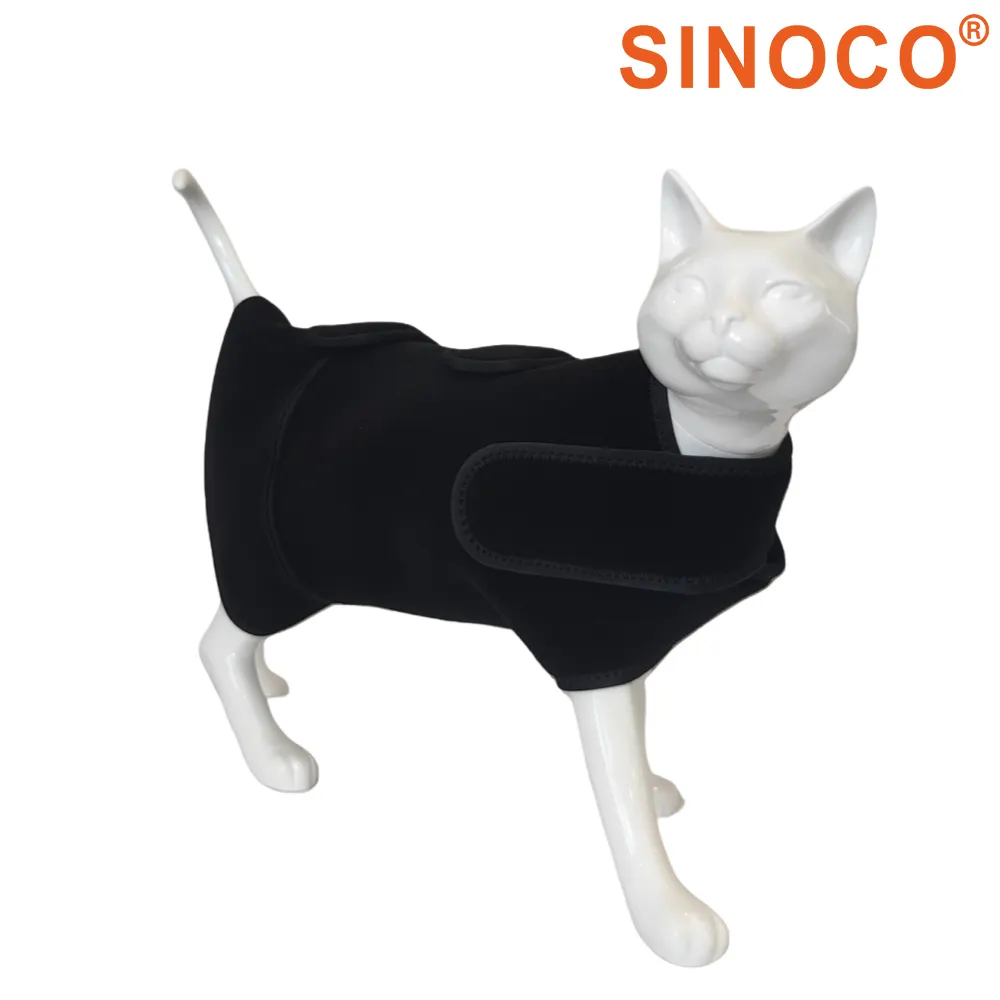
Dog Therapy by PDT Photo Therapy Light Dog Cloth Cat Light Therapy for Leg Pain Relief Wound Healing by Red Light and Infrared Light Cusomziable wavelength
-
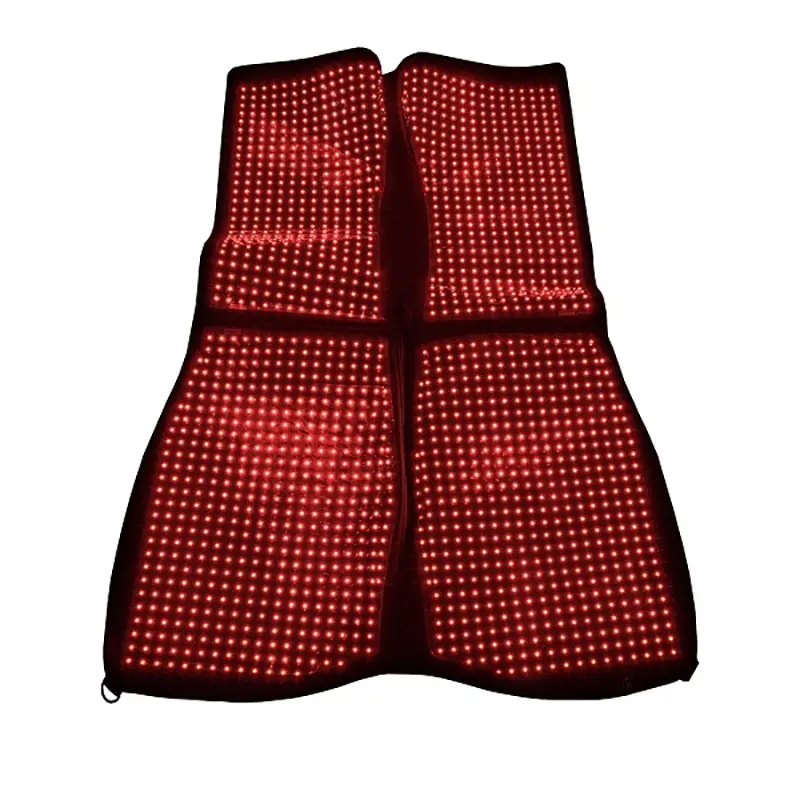
Equine Red Light Therapy and Infrared Light Pad for Horses Back Light Assistant Therapy PTD Photo Therapy Wrap
-

Equine Solarium Red Light Therapy and Infrared Light Horse Solarium Barn Light Instrument for Horses Targeting whole body
-
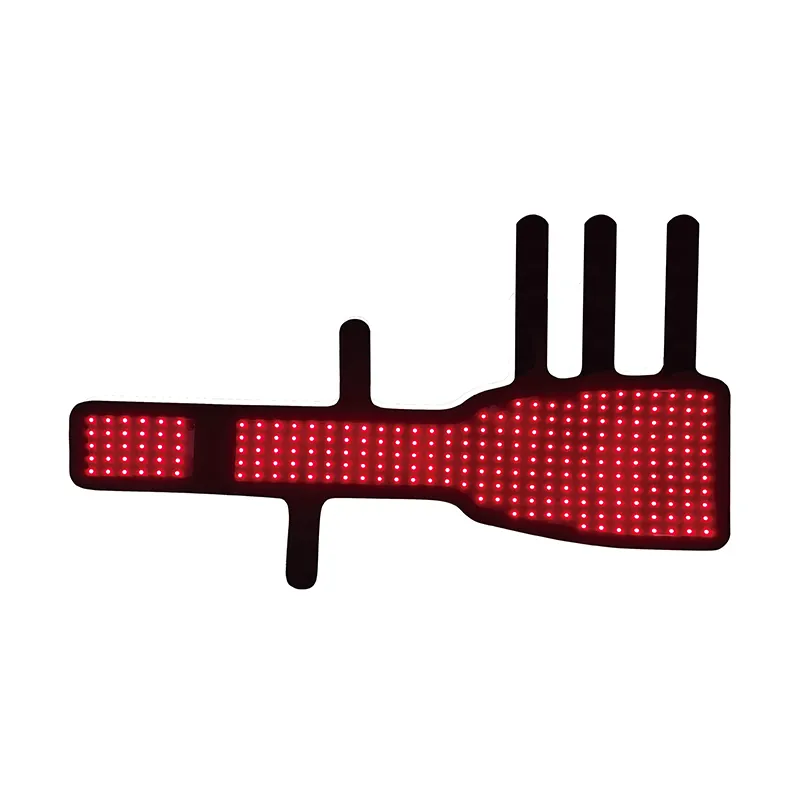
Good Effect Pain Relief Wound Healing Red Light Therapy Belt for Diabetic Foot and leg
-

Horse Red Light Equine Therapy Blanket for Whole Body Infrared Light Therapy Blanket 96W with Rechargable Lithium Battery Timing & Dimming Function
-

LED Facial Beauty Mask for Home Use Red Light Therapy for Face Skin Rejuvenation &Tightening
-
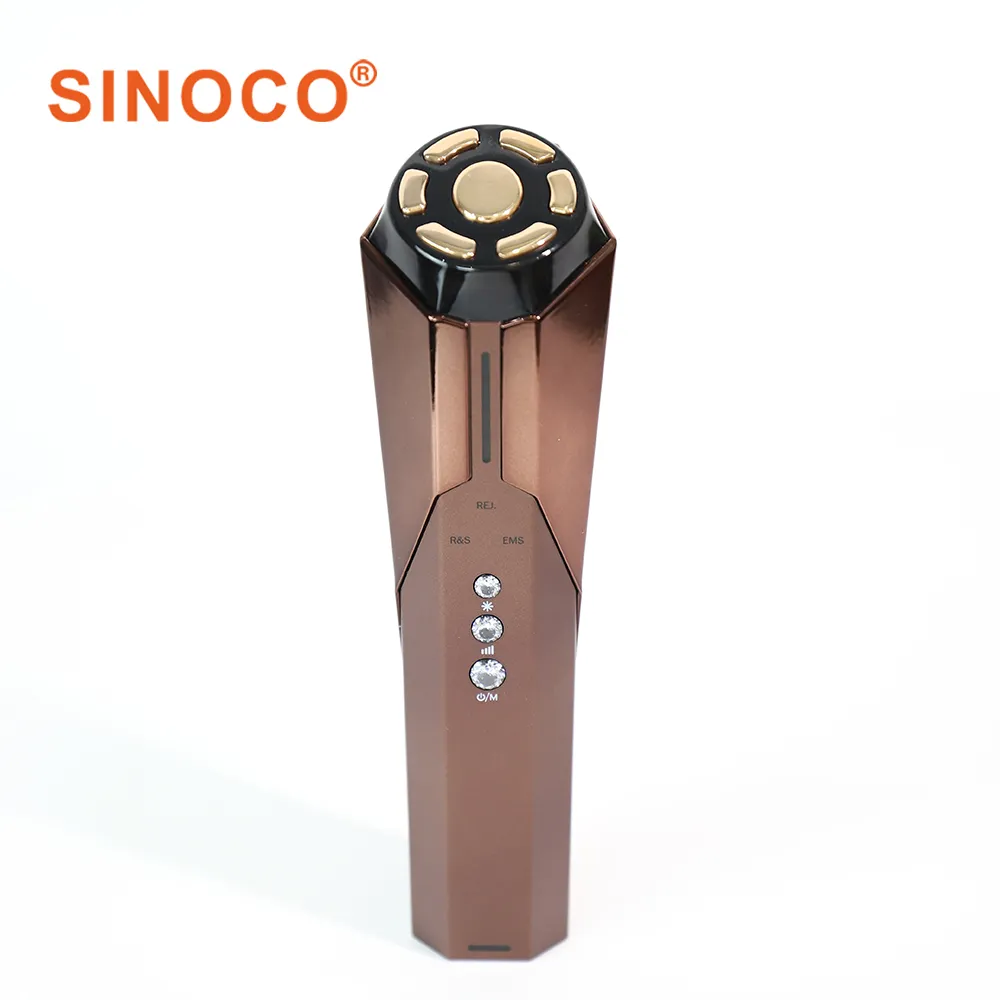
LED Skin Rejuvenation Beauty Phototherapy Device with EMS REJ RF Functions
-
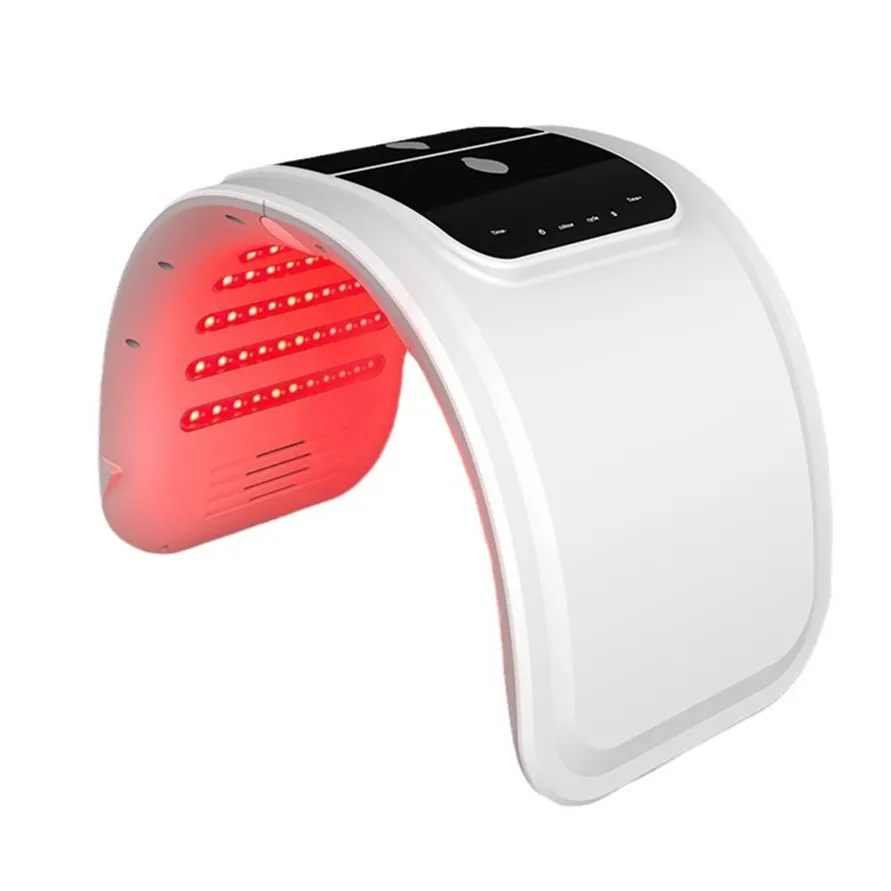
LED Skin Rejuvenation Mask – Red & Photon Light Facial Therapy
-
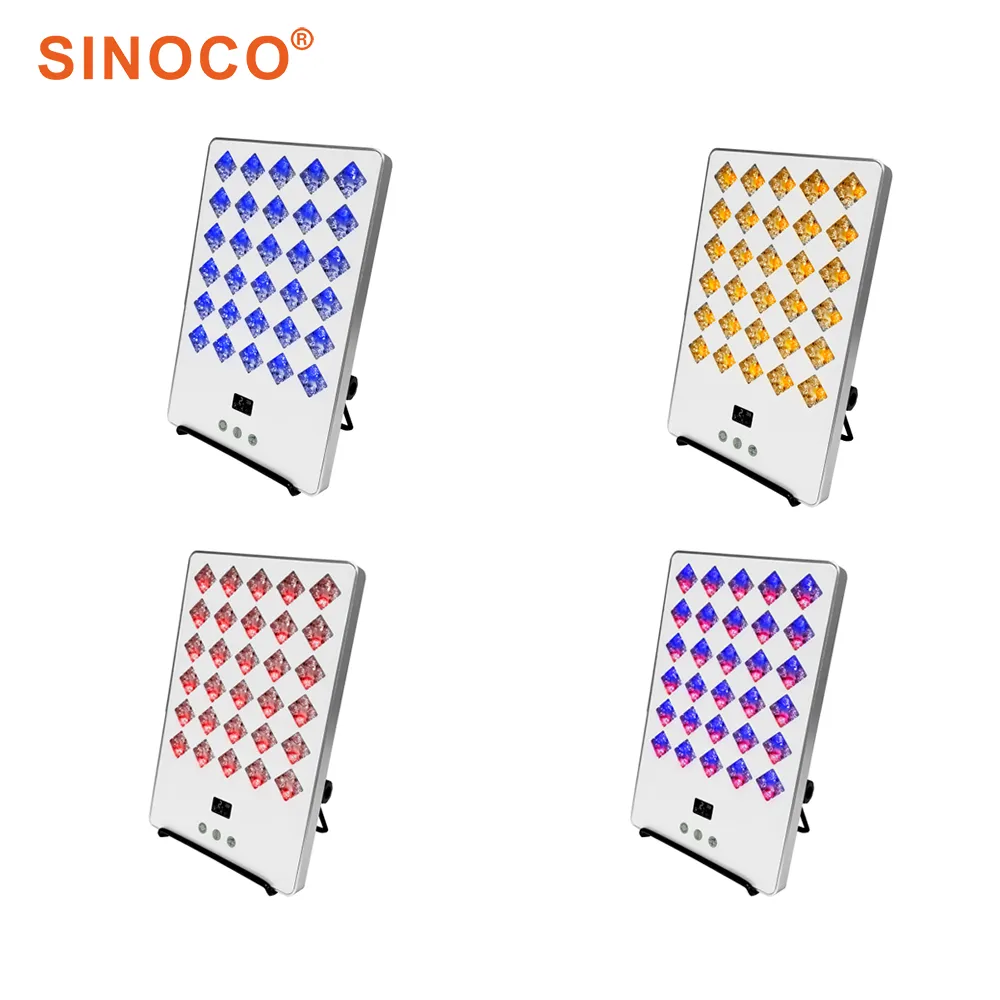
Light Therapy Panel LED Red & Infrared Light Therapy Device