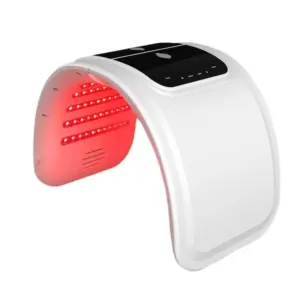


What it helps with:
- Easy to use and fully portable
- Customizable settings for different needs
- CE certified for safety and quality
- Targeted pain relief for muscles and joints
A red light therapy pad gives you a flexible, non-invasive way to bring targeted light therapy into a daily routine — no clinic visit required. It combines red light (around 660nm) and near-infrared light (around 850nm), each reaching a different depth in the body to support cellular repair and improve circulation where it’s needed most.
How a red light therapy pad works
Unlike a standard heating pad, this device doesn’t just warm the surface — it works at a cellular level. The light energy helps cells produce energy more efficiently, which is the mechanism behind reduced inflammation, less muscle soreness, and faster recovery after strain or overuse. Heat alone fades once you take the pad off; this keeps supporting recovery afterward.
That’s the main difference people notice when they switch from a plain heat pad to an infrared LED pad for pain relief — the effect isn’t just temporary warmth, it’s a therapy that keeps working on the tissue itself.
Built to move with you
The pad’s flexible design is what makes it practical for daily use. It wraps or lays flat against the back, shoulders, knees, or legs, so the same device adapts to wherever the pain actually is instead of being built for one single spot. That versatility is a big part of why a portable red light therapy pad works as well in a clinic setting as it does on a couch at home.
Fitting it into a daily routine
- After a workout to ease muscle soreness and support recovery
- For chronic joint pain as a consistent, drug-free addition to a pain-management routine
- At the end of a long day for general muscle tension and relaxation
- In a clinical setting alongside other treatment, for practitioners who want a non-invasive option to offer patients
Because it’s safe for both home and clinical use, this pad works whether you’re managing your own recovery or it’s part of a broader wellness offering. Used consistently, it becomes less of a one-off remedy and more of a long-term tool for staying ahead of pain rather than reacting to it.