



Red Light Therapy Devices for Home and Wellness
This is the broadest range SINOCO manufactures and the one most often private-labelled. It covers the red light therapy devices people use at home for recovery, pain management and general wellness — belts, wraps, mats, blankets, caps and shorts — supplied to consumer wellness brands, recovery brands and distributors.
What is in the wellness range
- Belts and waist wraps — 660nm and 850nm wraps for waist, back, shoulder and elbow, with velcro strapping. The highest-volume category in this range.
- Knee and elbow wraps — shaped for joints that bend, where a flat panel does not maintain contact.
- Full-body mats and beds — large-area devices for whole-body sessions, sold into home spa and studio positioning.
- Blankets and heat wraps — infrared wraps for shoulder and neck.
- Light therapy panels — rigid red and infrared panels for targeted or whole-body use at a fixed distance.
- Hair growth caps — LED caps for scalp coverage, a distinct sub-category with its own array geometry.
- Photobiomodulation shorts — 660nm and 850nm garment-style devices.
- Targeted devices — wands, pads and wraps for specific areas including foot and leg.
Why 660nm and 850nm together
Almost every device in this range runs both wavelengths in one array. 660nm red is absorbed close to the surface; 850nm near-infrared penetrates further, which is why it carries most of the work in joint and muscle devices. Combining them in a single panel means one device covers both surface and deeper tissue rather than forcing the end user to choose.
The ratio between the two is adjustable and is one of the more common customisations. A device positioned for muscle recovery usually skews toward 850nm; one positioned for skin and circulation skews toward 660nm.
Irradiance is the specification that matters
For wellness devices, irradiance at the treatment surface — measured in mW/cm² — is the number buyers and end users compare. It is also the number that determines LED count, driver capacity and thermal design.
Settle it before tooling. Raising irradiance late means more LEDs, a bigger driver and often a redesigned housing to manage heat, which is a re-tooling job rather than a parts change. It is worth being realistic here: a higher figure on the box is only useful if the device can sustain it without becoming uncomfortable to wear.
Wearable or fixed
Wearable devices — belts, wraps, caps, shorts — maintain contact with the skin, so the treatment distance is effectively zero and output requirements are lower. Panels and mats work at a distance, which means irradiance falls off and the array has to be correspondingly more powerful.
This affects almost everything downstream: battery or mains, flexible or rigid substrate, strap design, and how the product is sold. Deciding wearable versus fixed early avoids specifying a device that cannot hit its own claimed numbers.
What can be customised
- Wavelength ratio, LED count and array layout
- Irradiance target and session timer presets
- Fabric, strap and closure design; wrap dimensions for the target body area
- Rechargeable lithium battery, mains power, or both
- Controller: buttons, LCD, app control
- Pulse modes, where the brand wants them
- Retail packaging, manual and market-specific markings
Certification
The factory holds ISO 9001, ISO 13485, ISO 14001 and ISO 45001. Wellness devices sit across a range of regulatory categories depending on the claims made — a device sold for general wellbeing and one sold for pain relief are treated differently in most markets, even when the hardware is identical.
Tell us the target market and the intended claim at the specification stage. The certification route affects component selection and documentation, and it is considerably cheaper to design for it than to retrofit.
Common questions
What MOQ applies?
Packaging-only private label on an existing wrap or belt platform starts low. New fabric tooling or a new housing carries a higher minimum. Send the specification and we will quote against it.
Can you hit a specific mW/cm² figure?
Usually, but tell us the measurement distance and conditions alongside the number. Irradiance figures are only comparable when the method is stated, and a target that is achievable at contact may not be at 15cm.
Can you build both battery and mains versions of the same product?
Yes, and it is a common request — battery for the retail version, mains for a studio or clinic variant of the same device.
To discuss a wellness device project, send your specification, market and volume through the contact page. Related ranges: beauty light therapy and the full product overview.
-
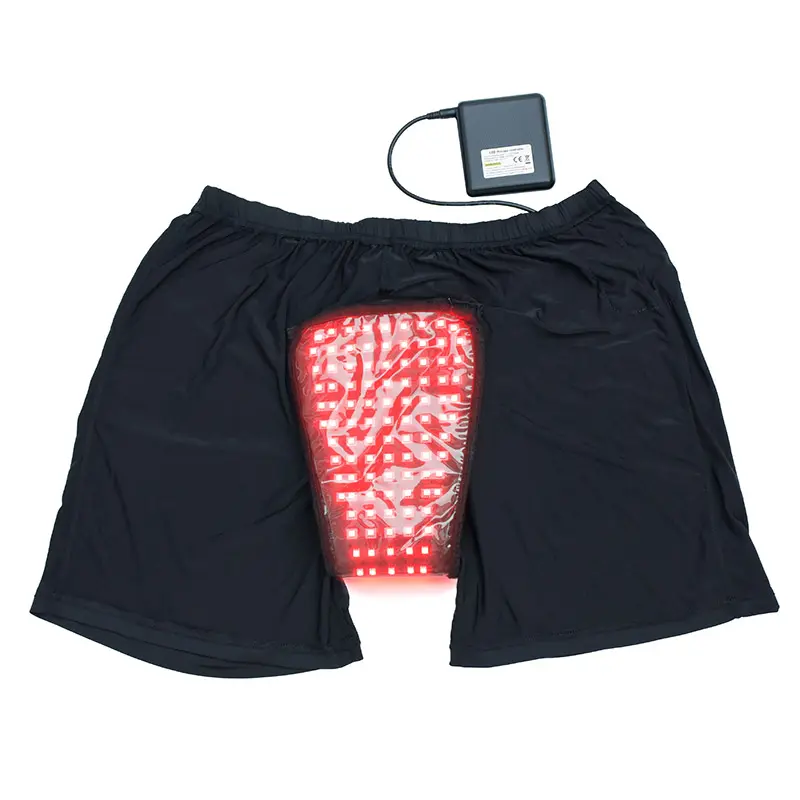
Body Photobiomodulation Shorts LED red light 660nm & infrared light 850nm PDT Light Therapy Medical Device for for Male Infertility and sex drive
-
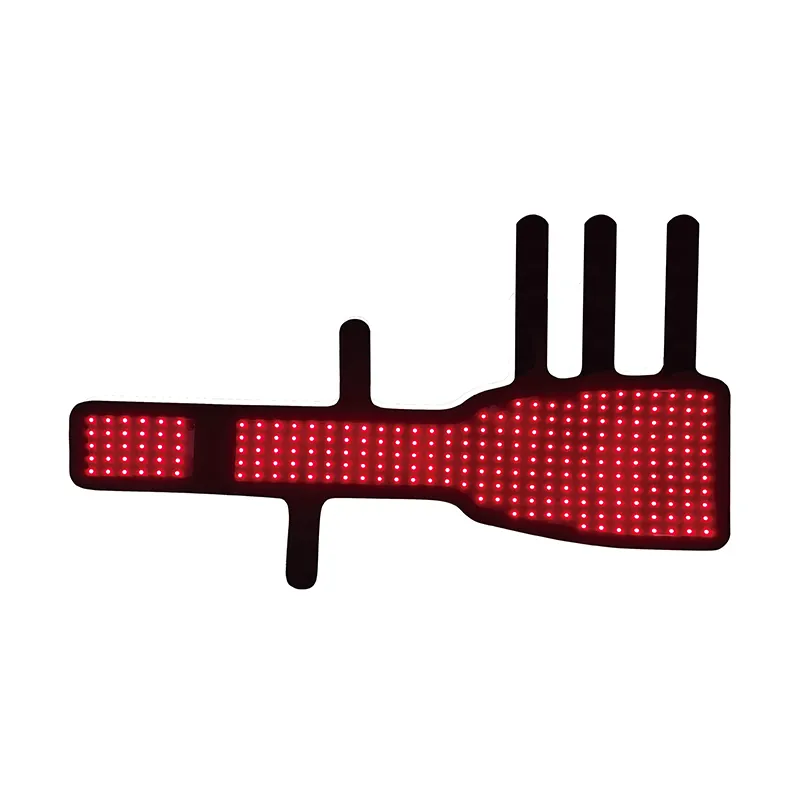
Good Effect Pain Relief Wound Healing Red Light Therapy Belt for Diabetic Foot and leg
-

Red Light Therapy Belt 660nm 850nm Wellness Wrap for Waist & Back Pain Relief
-

Red light Therapy Belt Wrap for Shoulder and Elbow Relief 660nm 850nm
-

Red Light Therapy Blanket Infrared Heat Wrap for Shoulder & Neck Pain
-

Red Light Therapy Helmet Activates Cells Pain Relief Household Medical Device Infra-Red Light Growth Hair Hat
-
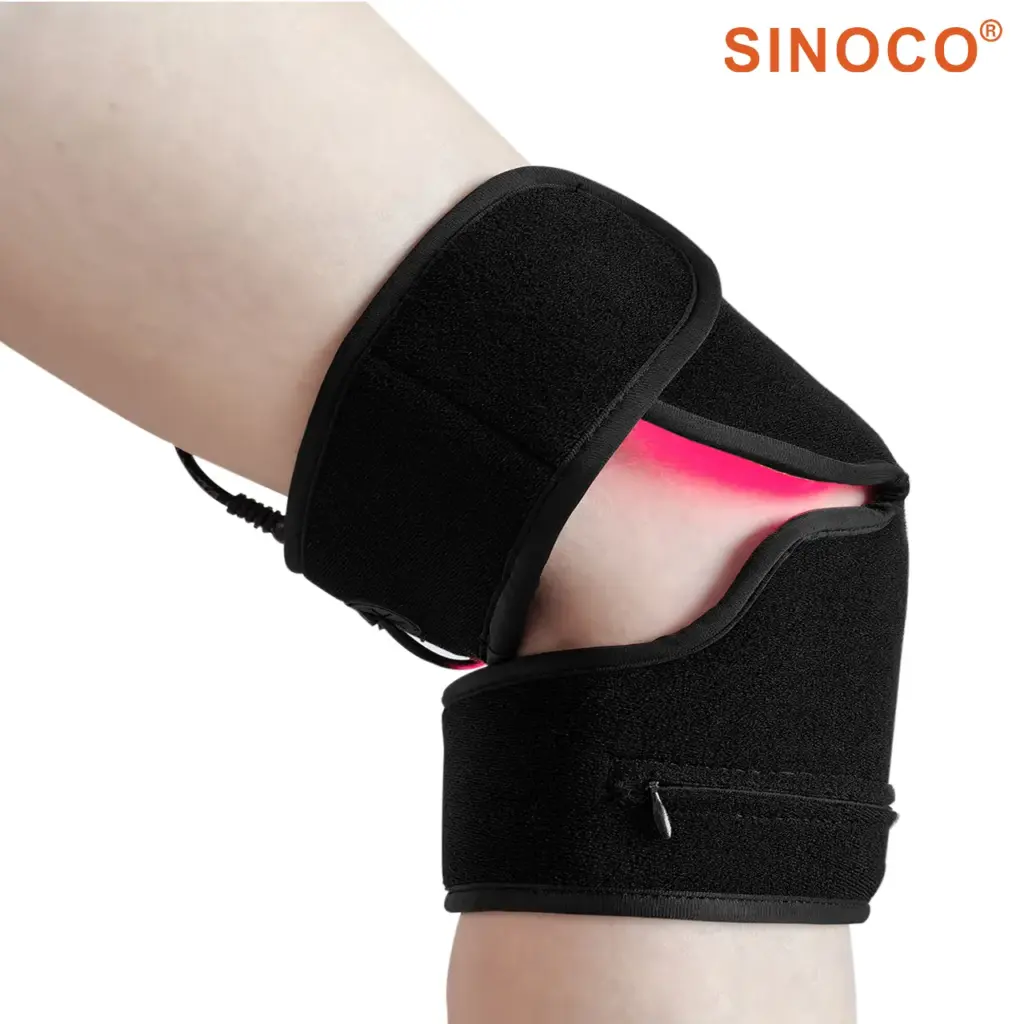
Red Light Therapy Knee & Elbow Wrap Infrared Pain Relief with Velcro Strap
-

Red Light Therapy Mat Used to Whole Body Pain Relieve Home Spa RED Light Therapy Bed
-
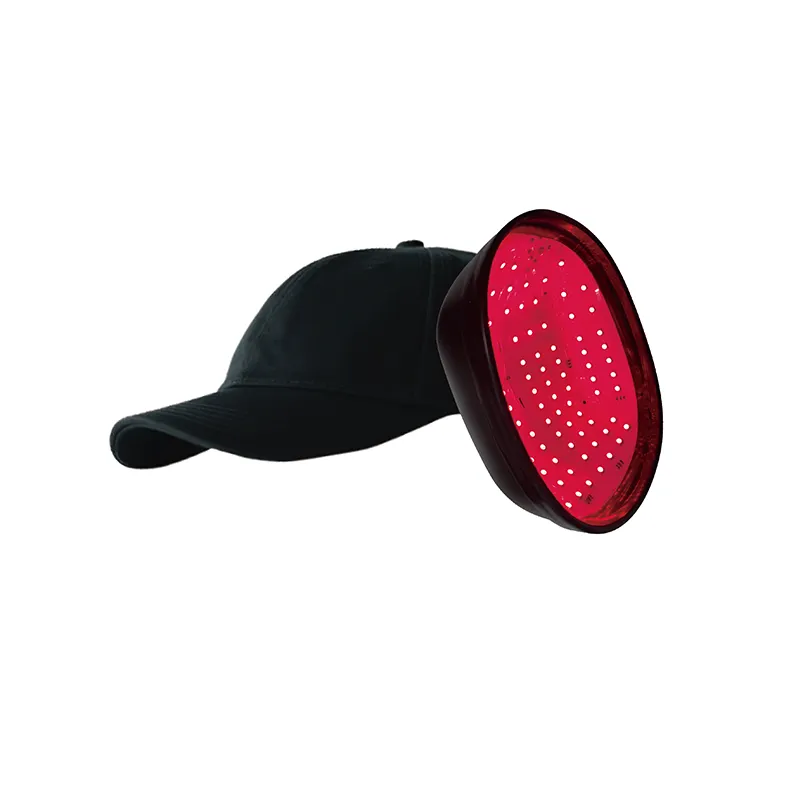
Sinoco Infrared Anti-hair Loss Hair Growth Led Red Light Therapy Cap for Hair Regrowth Led Light Hat
-

SINOCO Patented LCD Screen Touchable Multi-wavelength LED Light Therapy Device 360 Degree Rotatable and Height-adjustable Photon Therapy Device TC-PDT-240W